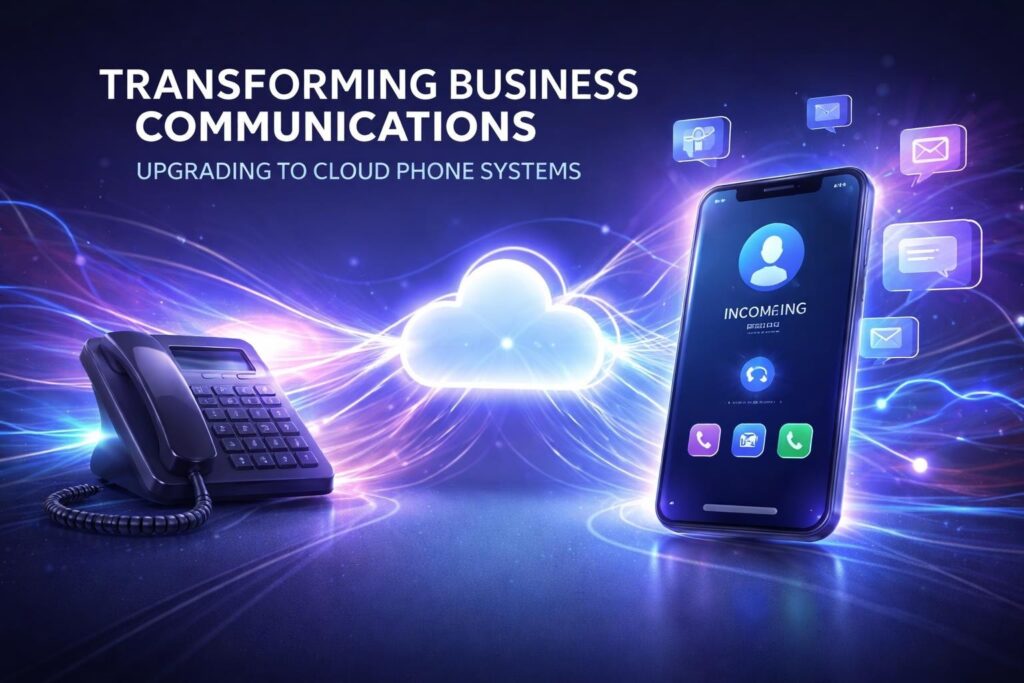
Selecting a new business phone system represents one of the most critical infrastructure decisions for Irish SMBs in 2026. The telecommunications landscape has evolved dramatically, with cloud-based solutions, artificial intelligence, and integrated communication platforms replacing traditional desk phones and PBX systems. Understanding the available options and identifying which features genuinely benefit your operations can mean the difference between streamlined communications and persistent frustration. For Irish businesses particularly, considerations around local support, compliance, and scalability must factor into every decision.
Understanding Modern Business Telephony Options
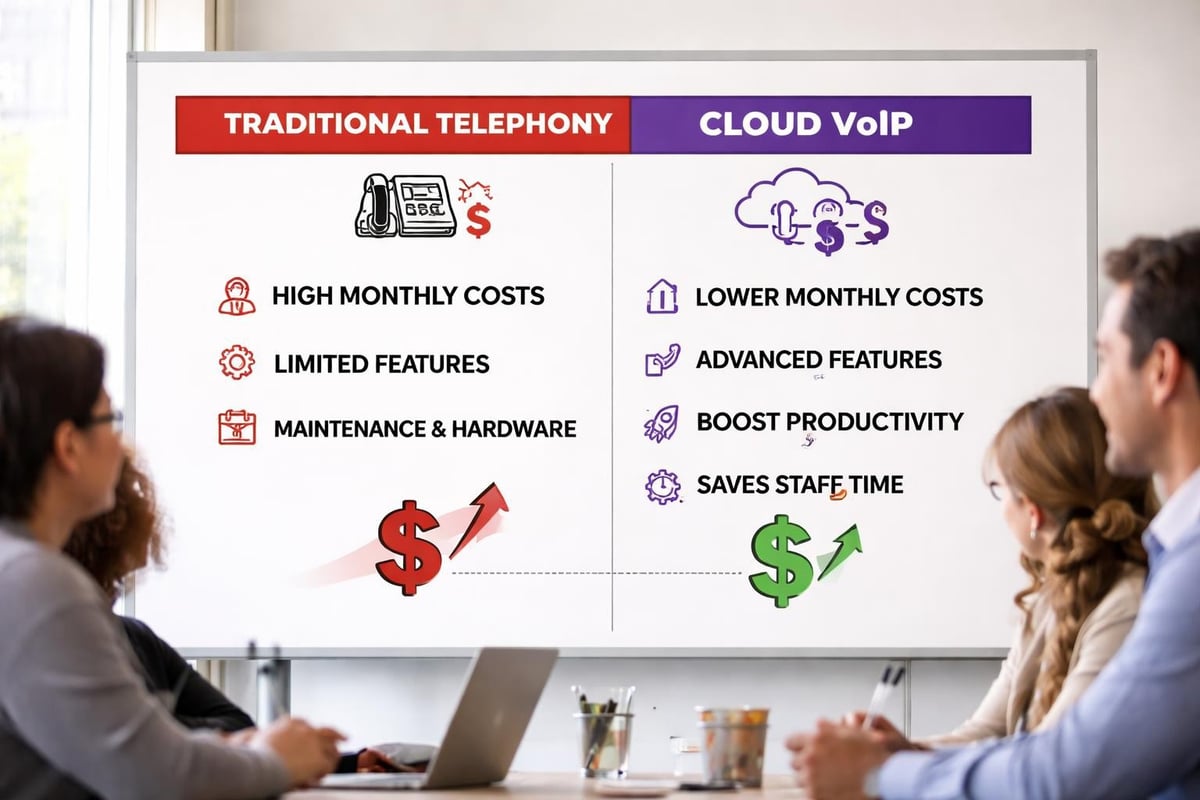
The traditional approach to business communications has fundamentally shifted. Where companies once invested in expensive on-premise hardware, today's solutions leverage internet connectivity to deliver sophisticated features at a fraction of historical costs. Various phone system types serve different business needs, but cloud-based VoIP has emerged as the dominant choice for SMBs.
Key technology categories include:
- Cloud-based VoIP systems: Internet-powered telephony with remote management and minimal hardware requirements
- Hybrid solutions: Combining existing infrastructure with modern cloud features
- Traditional PBX: On-premise systems requiring significant capital investment and maintenance
- Virtual phone systems: Software-only solutions accessed entirely through applications
The shift toward cloud telephony isn't merely about technology trends. Irish businesses benefit from reduced maintenance costs, enhanced flexibility for remote work, and the ability to scale communications infrastructure without replacing physical equipment. A business phone system delivered through the cloud eliminates the need for specialist on-site technical support whilst providing enterprise-grade features.
Essential Features for Irish SMBs
When evaluating a new business phone system, features must align with operational requirements rather than marketing promises. Irish SMBs face unique communication challenges, from managing customer queries during business hours to maintaining professionalism with limited staff resources.
Call Management Capabilities
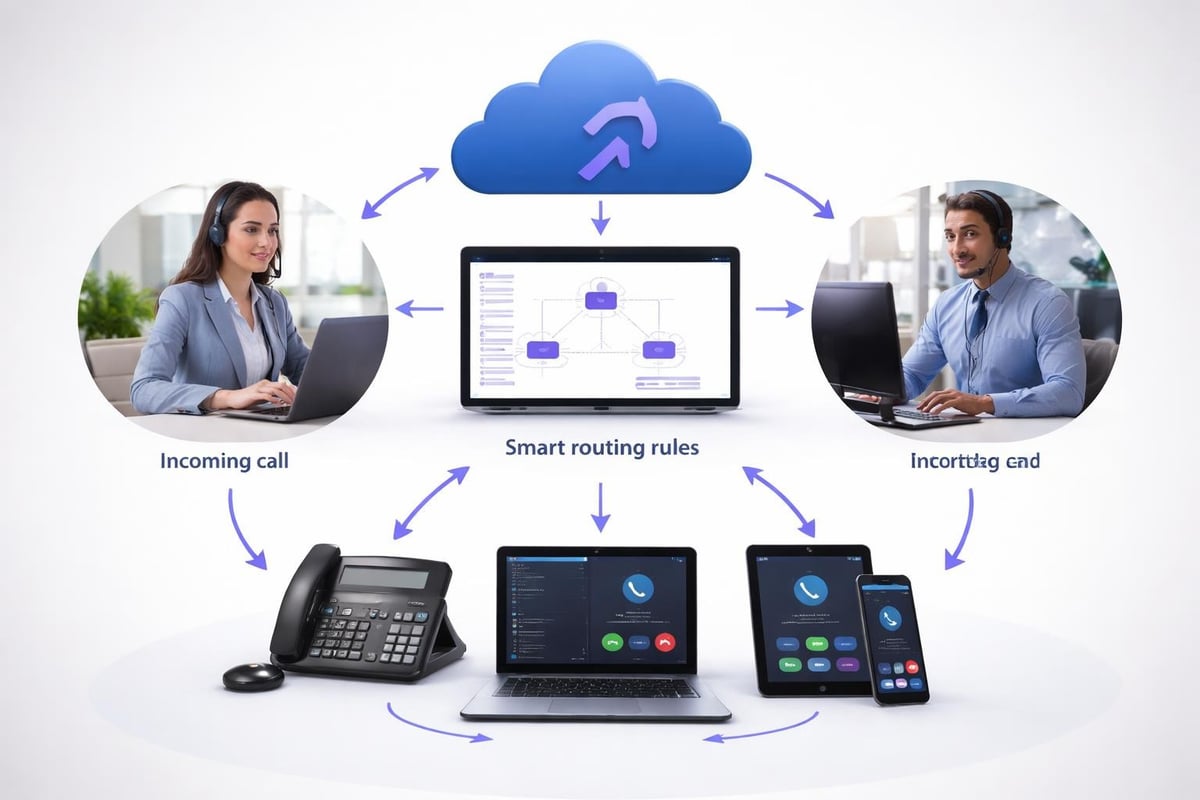
Modern systems offer sophisticated routing options that direct callers to appropriate departments or individuals based on customizable rules. AI call handling has revolutionized how smaller businesses manage incoming communications, providing intelligent responses and information without human intervention.
Consider these fundamental requirements:
- Auto-attendant functionality to greet callers professionally
- Call queuing during busy periods to prevent lost opportunities
- Voicemail-to-email transcription for efficient message management
- Call recording for training and compliance purposes
- Mobile integration enabling staff to work from any location
| Feature Category | Traditional Systems | Modern Cloud Systems |
|---|---|---|
| Remote Access | Limited/Complex | Native Support |
| Scalability | Hardware Dependent | Instant Provisioning |
| Maintenance | On-site Required | Provider Managed |
| Cost Structure | High Capital Expense | Predictable Monthly Fee |
Integration and Workflow Automation
Standalone phone systems create information silos. Today's solutions integrate with CRM platforms, helpdesk software, and business applications to streamline workflows. Salesforce integration, HubSpot connectivity, and other platform connections ensure customer data flows seamlessly across systems.
This integration delivers tangible benefits. Sales teams access caller history instantly. Support staff view ticket information during conversations. Managers extract communication data for performance analytics without manual reporting.
Evaluating Costs and Return on Investment
Choosing a business phone system requires understanding both obvious and hidden costs. Initial setup fees, monthly subscriptions, per-user charges, and international calling rates all impact total ownership expenses.
Cost considerations include:
- Monthly per-user licensing fees (typically €15-40 per seat)
- Setup and implementation charges
- International calling rates (particularly relevant for export-focused businesses)
- Hardware costs (desk phones, headsets, routers)
- Training and onboarding expenses
Smart businesses evaluate pricing against functionality gained. A new business phone system delivering AI phone answering capabilities might cost more monthly than basic VoIP but eliminates the need for dedicated reception staff. After-hours call handling extends customer service availability without overtime expenses.
Implementation Planning and Migration
Transitioning to a new business phone system demands careful planning to avoid service disruptions. Irish businesses often underestimate the coordination required between existing providers, new vendors, and internal stakeholders.
Migration Timeline
Successful implementations follow structured phases rather than abrupt switchovers. Begin by auditing current usage patterns, identifying essential features, and documenting workflows dependent on telephony. Moving to a modern system becomes straightforward with proper preparation.
Implementation stages typically involve:
- Requirements gathering (1-2 weeks)
- Vendor selection and testing (2-3 weeks)
- Configuration and integration setup (1-2 weeks)
- User training and soft launch (1 week)
- Full migration and legacy system retirement (1 week)
Number porting deserves particular attention. Retaining existing business numbers requires coordination between providers, with porting requests submitted weeks before intended migration dates. Professional vendors manage this process, ensuring customers experience no service interruption.
Industry-Specific Considerations
Different sectors demand specialized telephony capabilities. Professional services firms require sophisticated call routing to connect clients with appropriate expertise. Construction businesses need rugged mobile solutions enabling field communications. Restaurants benefit from reservation management integration.
| Industry | Key Requirements | Recommended Features |
|---|---|---|
| Professional Services | Client confidentiality, call recording | Encrypted communications, matter-based routing |
| Real Estate | Mobile access, lead tracking | CRM integration, click-to-call from listings |
| Construction | Field communications, noise cancellation | Ruggedized devices, team messaging |
| Healthcare | GDPR compliance, appointment reminders | Secure messaging, automated notifications |
Understanding phone systems specifically designed for Irish businesses ensures compliance with local regulations whilst accessing Ireland-based support during business hours. Time zone alignment matters when technical issues arise or configuration changes require immediate attention.

AI-Powered Communication Intelligence
Artificial intelligence represents the most significant advancement in business telephony since VoIP adoption. Modern systems analyze conversations, extract actionable insights, and automate routine interactions without sacrificing service quality. AI receptionists for small businesses handle initial caller interactions, gather information, and route requests appropriately.
Beyond answering calls, AI delivers conversation analytics identifying customer sentiment, common inquiry themes, and training opportunities. These insights inform service improvements and operational adjustments based on actual caller experiences rather than assumptions.
AI capabilities transforming business communications:
- Natural language processing for caller intent recognition
- Sentiment analysis highlighting at-risk customer relationships
- Automated call summarization reducing administrative burden
- Predictive routing matching callers with optimal team members
- Conversation intelligence identifying sales opportunities
Irish SMBs gain particular advantages from AI assistance. Smaller teams extend their effective capacity, providing service levels previously requiring substantially larger staff complements. This technology democratizes enterprise capabilities, making them accessible to businesses of all sizes.
Selecting the right new business phone system requires balancing immediate needs against future growth whilst managing costs effectively. Irish SMBs must prioritize solutions offering flexibility, integration capabilities, and local support to ensure long-term success. Dromlik Ireland specializes in delivering modern cloud telephony with AI-powered features designed specifically for Irish businesses, combining intelligent call handling with seamless CRM integration to transform how you communicate with customers.