
Selecting the right go to phone system for your business is one of the most critical decisions you'll make for customer communications. Irish SMBs increasingly demand sophisticated telephony solutions that go beyond traditional landlines, incorporating AI-driven features, smart routing, and seamless integrations. The transition from legacy systems to modern cloud-based platforms represents not just a technological upgrade but a fundamental shift in how businesses connect with customers, manage workflows, and scale operations efficiently.
Understanding Modern Business Telephony
The landscape of business communications has transformed dramatically over the past decade. Where traditional PBX systems once dominated, cloud-based VoIP solutions now offer unprecedented flexibility and functionality. A go to phone system today encompasses far more than simple call routing.
Key Components of Contemporary Phone Systems
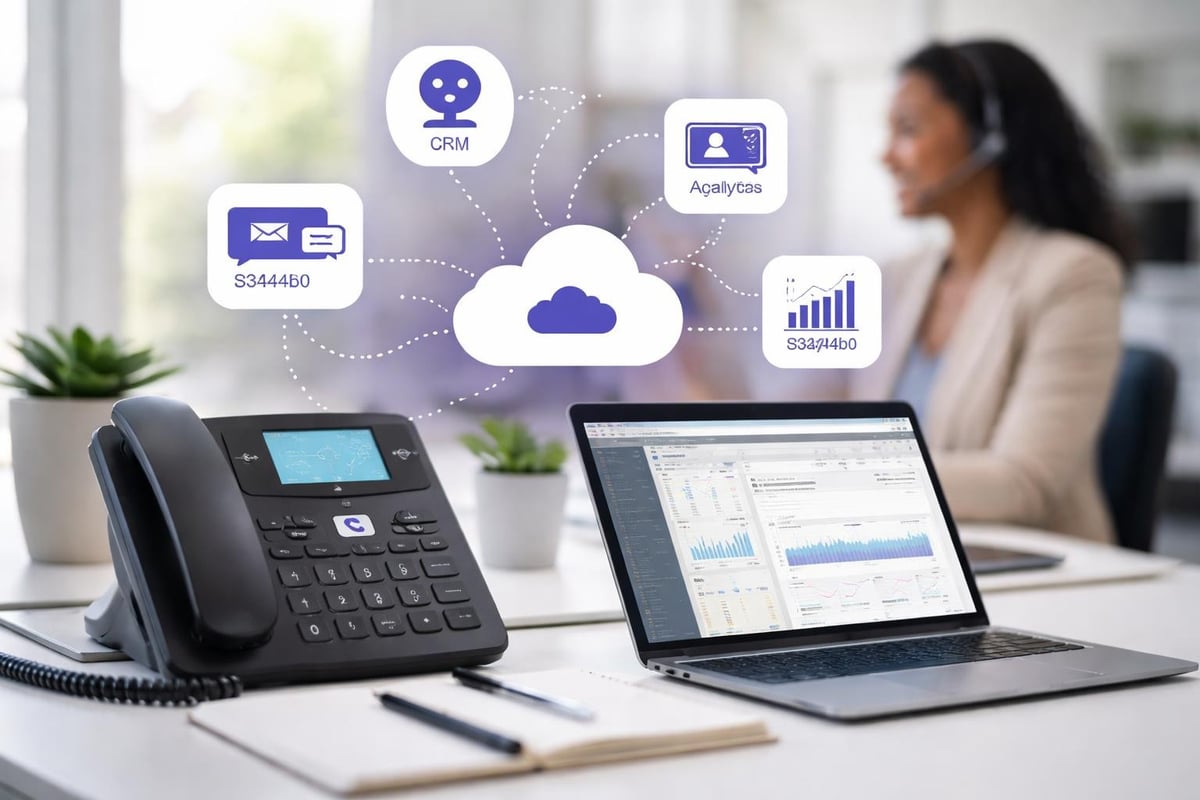
Modern telephony platforms integrate multiple communication channels into unified solutions:
- Smart call routing that directs enquiries to appropriate team members
- AI-powered call handling for after-hours coverage and initial customer screening
- Omnichannel messaging combining voice, SMS, and digital platforms
- CRM integrations that streamline customer data management
- Advanced analytics providing insights into call patterns and team performance
The business phone system infrastructure must support remote workers whilst maintaining professional standards. Irish businesses particularly benefit from solutions designed specifically for the local market, understanding regional requirements and compliance standards.
Evaluating Your Go To Phone System Requirements
Before implementing new telephony infrastructure, assess your organisation's specific needs. Different sectors face distinct communication challenges that influence system selection.
| Business Type | Primary Requirements | Essential Features |
|---|---|---|
| Professional Services | Client confidentiality, mobile flexibility | Secure lines, mobile apps, call recording |
| Construction | Field team coordination, after-hours calls | Mobile integration, voicemail-to-email |
| Real Estate | Lead capture, appointment scheduling | Call tracking, CRM sync, virtual numbers |
| Restaurants | Reservation management, delivery coordination | Multi-line handling, SMS confirmations |
Consider scalability when choosing your go to phone system. Small business phone systems should accommodate growth without requiring complete infrastructure overhauls. Start with core features and expand as your team develops.
Technical Infrastructure Considerations
Your internet connection forms the foundation for VoIP telephony. Calculate bandwidth requirements by estimating concurrent calls multiplied by approximately 100 kbps per line. Quality of Service (QoS) settings prioritise voice traffic, preventing degradation during peak usage periods.
Security protocols protect sensitive customer conversations. Implementing strong encryption and regular security audits safeguard business communications from unauthorised access. Two-factor authentication adds an additional protection layer for administrative access.
AI-Powered Features Transforming Business Communications
Artificial intelligence represents the most significant advancement in business telephony. An AI receptionist handles routine enquiries, qualifies leads, and routes calls based on sophisticated understanding of caller intent and context.
Benefits of AI Call Handling
Time savings accumulate rapidly when AI manages repetitive tasks. Small teams gain the equivalent of additional staff members without corresponding salary expenses. The technology operates continuously, providing consistent service quality regardless of time or day.
Customer experience improvements emerge from reduced wait times and accurate routing. Callers receive immediate attention rather than navigating complex menu systems or waiting for available operators. Natural language processing enables conversational interactions that feel personalised rather than automated.
The after-hours call handling capability ensures no opportunity goes missed. Emergency calls receive appropriate routing whilst routine enquiries are scheduled for follow-up during business hours. This balances responsiveness with team work-life boundaries.
Integration Ecosystems and Workflow Automation
Your go to phone system should function as part of a broader business technology ecosystem. Modern platforms offer extensive integration capabilities connecting telephony with existing business tools.
Popular Integration Options
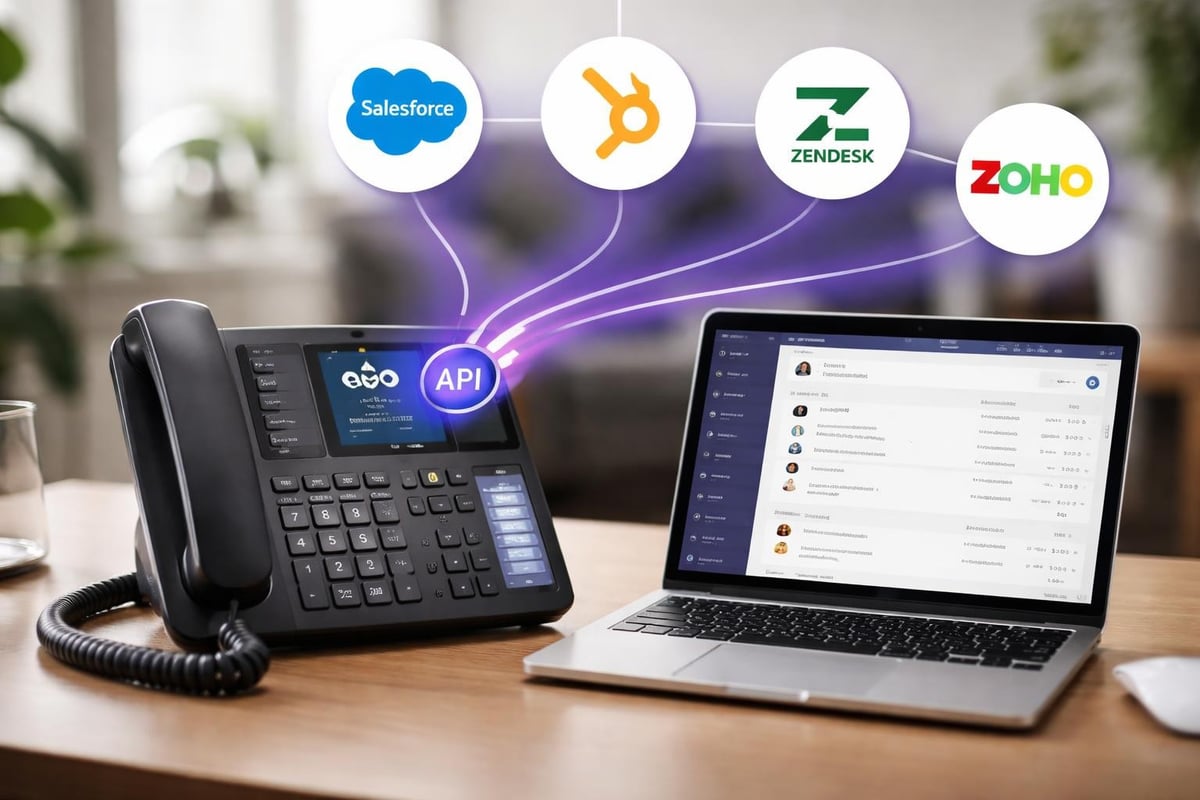
Connecting your phone system with customer relationship management platforms eliminates duplicate data entry. When calls connect, customer histories display automatically. Post-call notes sync across systems, maintaining comprehensive interaction records.
- Salesforce integration for enterprise-scale customer management
- HubSpot integration for inbound marketing alignment
- Zendesk integration for support ticket creation
- Zoho integration for small business CRM functionality
Professional services firms benefit particularly from Teams integration, enabling seamless transitions between internal collaboration and external client communications. The unified interface reduces context switching and improves team efficiency.
Migration Planning and Implementation
Transitioning from legacy systems requires careful planning to minimise disruption. A structured approach ensures smooth deployment whilst maintaining service continuity throughout the changeover period.
Step-by-Step Migration Process
- Audit current usage patterns including call volumes, peak periods, and feature utilisation
- Map existing numbers to new system destinations and configure routing rules
- Test configurations with internal teams before full deployment
- Schedule cutover during low-activity periods to minimise customer impact
- Monitor performance closely during initial weeks, adjusting settings as needed
Migrating to modern telephony platforms typically completes within hours rather than days. Number porting preserves existing contact details, eliminating the need to notify customers of changes. Your go to phone system provider should manage technical complexities whilst you focus on business operations.
Maintenance and Optimisation Best Practices
Ongoing system maintenance ensures reliable performance and security. Regular maintenance tasks include software updates, hardware checks, and call quality monitoring.
| Maintenance Task | Frequency | Purpose |
|---|---|---|
| Software updates | Monthly | Security patches, new features |
| Call quality review | Weekly | Identify connection issues |
| User access audit | Quarterly | Remove inactive accounts |
| Backup verification | Monthly | Ensure configuration recovery |
| Analytics review | Monthly | Optimise routing and staffing |
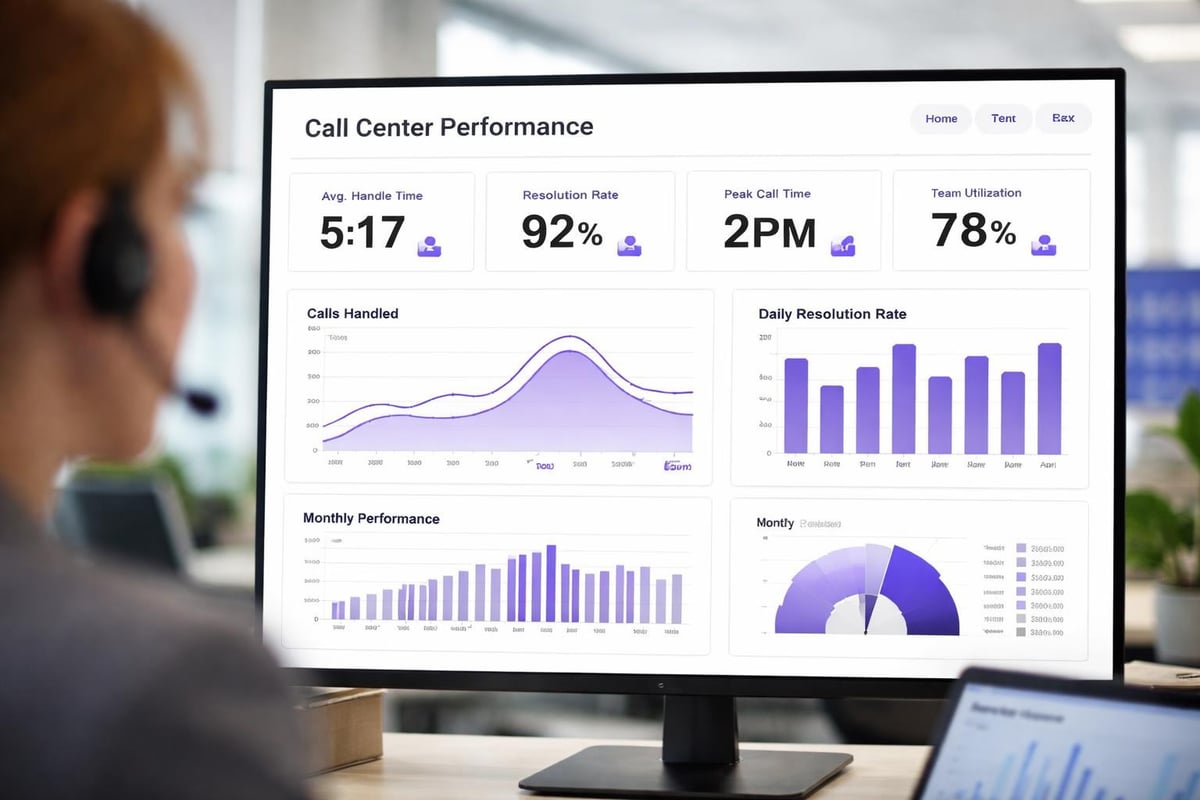
Performance metrics guide system optimisation. Track average handle times, first-call resolution rates, and customer satisfaction scores. These indicators reveal opportunities for routing improvements, staff training, or feature adoption.
Cost Structures and ROI Considerations
Understanding pricing models helps budget appropriately for telephony infrastructure. Modern systems typically operate on per-user monthly subscriptions rather than large capital expenditures. This shift transforms telephony from a capital expense to an operational cost.
Calculate total cost of ownership including:
- Per-user licensing fees for system access and features
- Call charges for outbound communications (often unlimited within packages)
- Number rental for local, national, or international presence
- Integration costs for connecting business tools
- Training expenses for team onboarding
Return on investment emerges through multiple channels. Reduced missed calls convert to captured opportunities. Improved routing efficiency decreases customer wait times. Automated call handling reduces administrative overhead. These benefits typically offset system costs within months of implementation.
Selecting and implementing the right go to phone system fundamentally transforms how your business communicates with customers and manages internal workflows. The transition from traditional telephony to modern, AI-enhanced platforms delivers measurable improvements in efficiency, customer satisfaction, and team productivity. Dromlik Ireland provides Irish SMBs with intelligent business phone systems featuring AI call handling, smart routing, and seamless integrations designed specifically for the unique needs of growing businesses.