
The landscape of business communications has transformed dramatically over the past decade, with hosted phone solutions emerging as the preferred choice for Irish SMBs seeking reliability, flexibility, and advanced features. Unlike traditional on-premises systems that require substantial hardware investments and ongoing maintenance, cloud communications deliver enterprise-grade telephony through internet connectivity. This shift enables businesses to access sophisticated call management tools, integrate artificial intelligence, and scale their communications infrastructure without the complexity of managing physical equipment.
Understanding Hosted Phone Solutions
Hosted phone solutions represent a fundamental departure from legacy business telephone systems that once dominated corporate environments. The technology operates entirely in the cloud, with service providers managing the infrastructure, software updates, and security protocols. Businesses simply connect through IP phones, desktop applications, or mobile devices to access their complete telephony system.
The architecture eliminates the need for expensive PBX hardware traditionally housed in server rooms. Instead, everything runs on secure data centres maintained by the provider. This approach dramatically reduces upfront capital expenditure whilst ensuring businesses benefit from continuous improvements and feature additions without additional investment.
Key Components of Modern Solutions
A comprehensive hosted system encompasses several interconnected elements that work together seamlessly:
- Cloud-based infrastructure hosted in secure, redundant data centres
- VoIP technology converting voice into digital packets transmitted over the internet
- Management portals allowing administrators to configure settings remotely
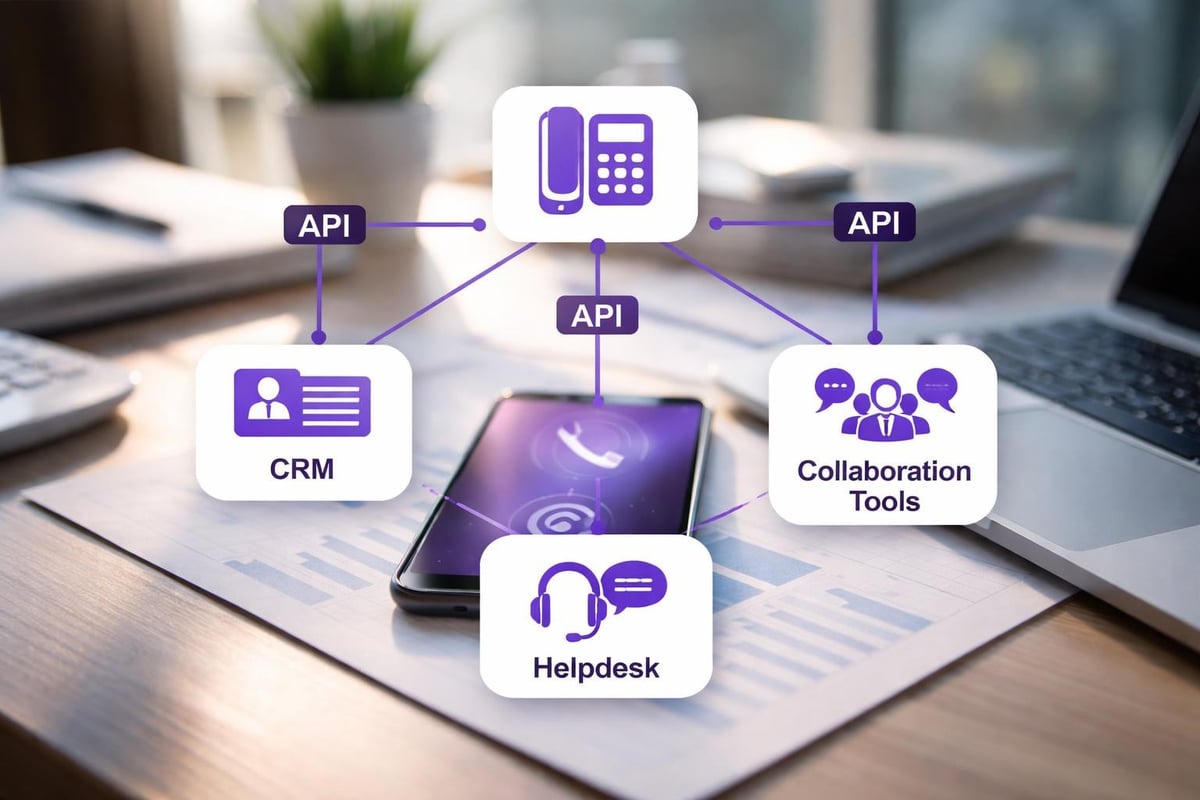
- Integration APIs connecting telephony with CRM, helpdesk, and productivity tools
- Mobile applications extending desk phone functionality to smartphones
These components combine to create a unified communications environment that supports the modern office phone service requirements of today's distributed workforce.

Operational Benefits for Irish Businesses
The practical advantages of hosted phone solutions extend far beyond simple cost savings. Irish SMBs adopting these systems report significant improvements across multiple operational dimensions. Geographic flexibility stands out as particularly valuable, enabling employees to maintain professional communications regardless of location.
When staff work from home, travel for client meetings, or operate from satellite offices, they retain full access to the business phone system. Calls can be routed intelligently based on availability, time of day, or caller identity. This flexibility proves essential for businesses embracing hybrid working models whilst maintaining consistent customer service standards.
Scalability and Resource Efficiency
Traditional telephone systems require careful capacity planning, often forcing businesses to over-provision to accommodate growth. Hosted solutions eliminate this constraint entirely. Adding new users typically takes minutes rather than days, with no need for additional hardware purchases or technician visits.
| Feature | Traditional System | Hosted Solution |
|---|---|---|
| Setup Time | 2-4 weeks | 24-48 hours |
| Hardware Investment | €5,000-€15,000 | €0-€500 |
| Per-User Cost | Fixed regardless of usage | Subscription-based |
| Scalability | Limited by hardware | Unlimited |
| Maintenance Responsibility | Business IT team | Service provider |
This comparison illustrates why businesses upgrade from mobile to professional hosted systems as they scale beyond basic operations.
Advanced Features Driving Adoption
Modern hosted phone solutions deliver capabilities once available only to large enterprises with substantial IT budgets. Artificial intelligence integration represents perhaps the most transformative development, enabling AI phone answering that handles routine enquiries, routes calls intelligently, and provides valuable insights from conversation analysis.
Call analytics offer unprecedented visibility into communication patterns. Managers can review metrics such as average handling time, peak call volumes, and customer wait times to optimise staffing and improve service delivery. These insights prove particularly valuable for sectors like hospitality, where the AI receptionist for hotels needs to balance efficiency with personalised guest experiences.
Integration Capabilities
The true power of hosted phone solutions emerges through integration with existing business software. Salesforce integration enables automatic call logging, screen pop-ups displaying customer information, and click-to-dial functionality directly from CRM records. Similarly, HubSpot integration and Zendesk integration streamline workflows across sales and support teams.
For professional services firms requiring seamless collaboration, Teams integration combines telephony with video conferencing, instant messaging, and document sharing. This unified approach eliminates the friction of switching between multiple communication platforms throughout the workday.
Implementation and Migration Considerations
Transitioning to hosted phone solutions requires careful planning to ensure business continuity throughout the process. The migration to modern systems typically follows a structured approach beginning with needs assessment, progressing through configuration, and culminating in staged deployment.
Planning Phase Requirements:
- Audit existing phone numbers and user requirements
- Assess internet bandwidth and network quality
- Identify critical features and integration needs
- Establish training schedules for staff
- Develop rollback procedures for contingencies
According to industry research on managed voice solutions, businesses experiencing the smoothest transitions allocate sufficient time for user training and system familiarisation. Rushing deployment often leads to frustration as staff struggle with new interfaces and workflows.
Number Portability and Service Continuity
Retaining existing business phone numbers ranks amongst the top priorities during migration. Modern hosted providers support number porting, allowing businesses to maintain established contact details whilst benefiting from new technology. The process typically requires several weeks, during which existing services remain active.
For businesses getting a new business phone number, providers can provision numbers instantly across multiple Irish geographic areas. This capability proves valuable when establishing local presence in regions where physical offices don't exist.
Cost Structure and Financial Planning
Hosted phone solutions employ subscription-based pricing models that fundamentally alter telecommunications budgeting. Rather than large capital expenditures followed by depreciation, businesses pay predictable monthly fees covering all aspects of service delivery. This operational expense approach improves cash flow management and simplifies financial planning.
The comprehensive nature of subscription pricing typically includes features charged separately in traditional arrangements. Call recording, advanced routing, mobile applications, and analytics often come standard rather than requiring additional licensing fees. When evaluating hosted phone system options, businesses should compare total cost of ownership across multi-year periods rather than focusing solely on initial outlay.

Hidden Benefits of Managed Services
Beyond direct cost savings, hosted solutions eliminate numerous indirect expenses associated with traditional systems. IT staff no longer spend time troubleshooting phone issues, applying security patches, or managing hardware failures. These activities consume valuable resources better directed towards strategic initiatives supporting business growth.
Disaster recovery capabilities built into cloud-based phone systems provide additional financial protection. When physical offices become inaccessible due to weather, power outages, or other disruptions, staff can continue handling calls from alternative locations without service interruption. This resilience protects revenue streams and maintains customer relationships during challenging circumstances.
Industry-Specific Applications
Different business sectors leverage hosted phone solutions in ways tailored to their unique operational requirements. Restaurants benefit from specialised phone systems that handle reservation management, delivery coordination, and customer enquiries during peak service periods. The ability to route calls based on time of day ensures takeaway orders reach kitchen staff whilst reservation requests connect to front-of-house personnel.
Construction firms require robust communication solutions supporting site teams working across multiple locations. Mobile applications enable project managers to maintain professional communications whilst moving between job sites, with calls seamlessly transferring between devices as circumstances change. Integration with project management software ensures important calls get documented alongside relevant job records.
Real estate agencies rely on sophisticated call routing that directs property enquiries to appropriate agents based on expertise, availability, and geographic territory. After-hours handling ensures potential buyers reaching out during evenings and weekends receive prompt responses rather than encountering voicemail messages.
Hosted phone solutions have evolved from basic VoIP alternatives into comprehensive communication platforms that empower Irish businesses to compete effectively in modern markets. The combination of flexibility, advanced features, and predictable costs makes these systems increasingly essential for SMBs seeking professional capabilities without enterprise complexity. Dromlik Ireland provides a modern business phone system specifically designed for Irish SMBs, featuring AI call handling, smart routing, and seamless integrations that transform how your business communicates with customers and supports team collaboration across any working environment.