
The landscape of business communications has shifted dramatically over the past decade, with traditional telephone systems giving way to internet-based alternatives. Cloud telephony solutions have emerged as the preferred choice for Irish SMBs seeking flexible, cost-effective communication platforms that scale with their growth. Unlike conventional phone systems that require expensive on-premise hardware and complex maintenance contracts, modern cloud telephony delivers enterprise-grade features through simple internet connectivity, fundamentally changing how businesses manage customer interactions and internal communications.
Understanding Cloud Telephony Technology
Cloud telephony solutions operate by routing voice communications over the internet rather than traditional phone lines. This approach, built on Voice over Internet Protocol (VoIP) technology, converts voice signals into digital data packets transmitted across broadband connections. The fundamentals of cloud telephony explain how this technology relies on SIP trunks and internet infrastructure to create reliable communication channels.
The core components include cloud-hosted servers that manage call routing, virtual phone numbers that aren't tied to physical locations, and software applications that provide calling features. Unlike legacy systems requiring substantial upfront investment in PBX hardware, cloud-based systems need only compatible devices such as desk phones, computers, or smartphones connected to the internet.
Key Technical Advantages
Several technical benefits distinguish cloud telephony from traditional alternatives:
- Geographic flexibility: Teams can make and receive calls from anywhere with internet access
- Automatic updates: System improvements deploy remotely without on-site technician visits
- Redundancy: Multiple data centres ensure service continuity during outages
- Integration capability: APIs connect phone systems with CRM platforms and business tools
The scalability inherent in cloud telephony systems allows businesses to add or remove users within minutes, eliminating the lengthy provisioning times associated with traditional telephony.
Features That Drive Business Value
Modern cloud telephony solutions deliver sophisticated features previously accessible only to large enterprises with dedicated IT departments. Irish SMBs now access the same capabilities that enhance customer service and operational efficiency.
Intelligent Call Management
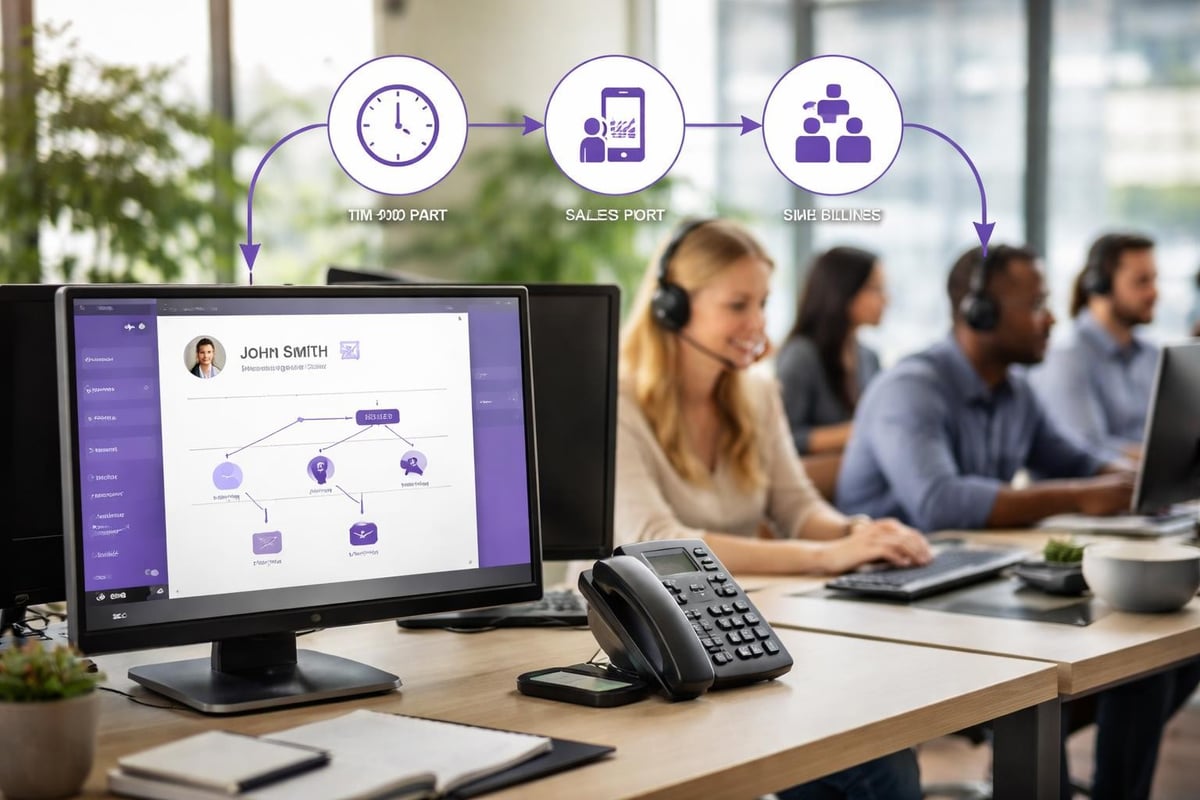
Smart call routing forms the foundation of effective cloud telephony. The system analyses incoming calls based on predefined rules, directing them to the most appropriate destination. Time-based routing ensures calls reach the right department during business hours whilst redirecting to voicemail or after-hours call handling services outside operating times.
Queue management prevents caller frustration by providing hold music, estimated wait times, and callback options. Priority routing identifies high-value customers through caller ID integration, ensuring important calls receive immediate attention.
AI-Powered Communication
Artificial intelligence has transformed cloud telephony capabilities in 2026. AI receptionist technology handles initial call screening, answers common enquiries, and routes complex issues to human team members. This automation reduces staffing requirements whilst maintaining professional customer service standards.
| Feature Category | Traditional System | Cloud Telephony Solution |
|---|---|---|
| Call Recording | Limited capacity, local storage | Unlimited cloud storage with transcription |
| Analytics | Basic call logs | Detailed insights on call patterns, duration, outcomes |
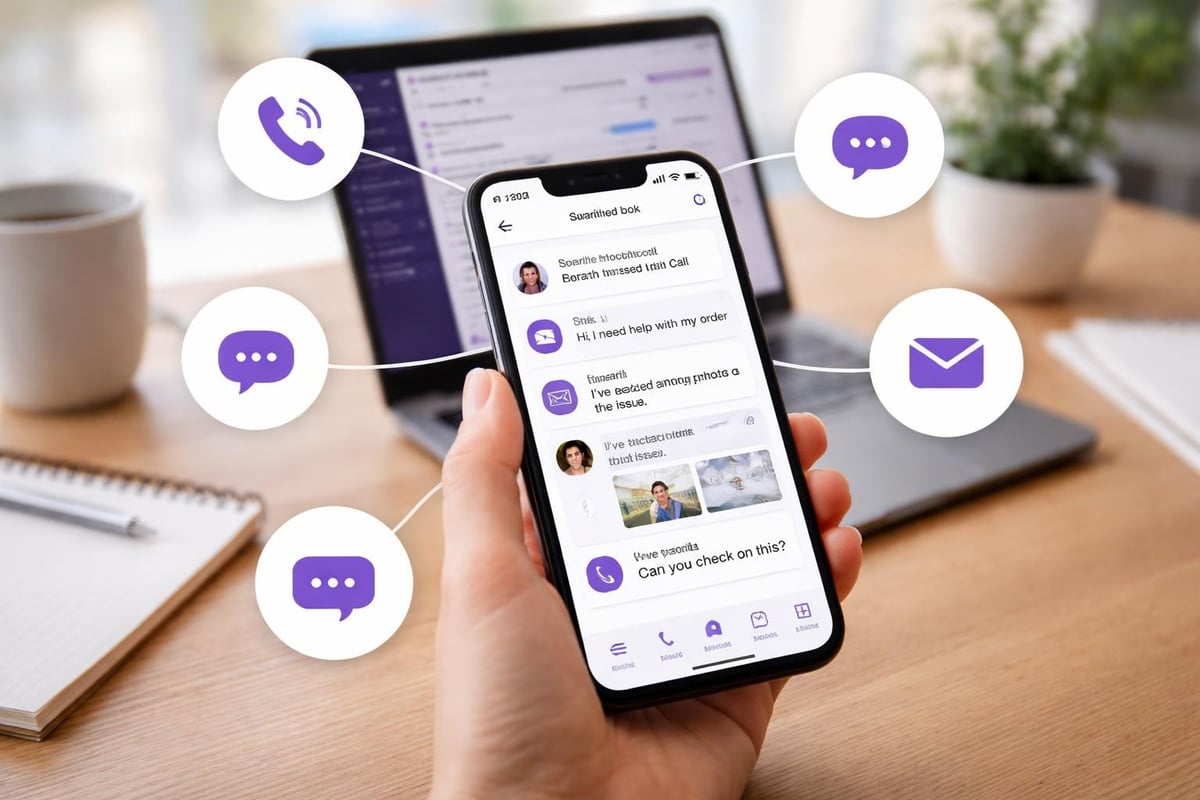
| Multi-channel | Phone only | Phone, SMS, email, chat integration |
| Remote Access | Requires VPN setup | Native mobile and web apps |
Integration Ecosystem
The value of cloud telephony multiplies when integrated with existing business software. CRM integration capabilities enable screen pop-ups displaying customer history as calls arrive, automatic call logging, and click-to-dial functionality from customer records.
Popular integrations include:
- Customer relationship management: Salesforce, HubSpot, Zoho
- Team collaboration: Microsoft Teams, Slack
- Helpdesk systems: Zendesk, Freshdesk
- E-commerce platforms: Shopify, WooCommerce
These connections create unified communication workflows that eliminate data silos and improve response times.
Implementation Considerations for Irish Businesses
Transitioning to cloud telephony solutions requires thoughtful planning to ensure smooth adoption. The process differs significantly from traditional phone system installations, focusing on configuration rather than hardware deployment.
Network Infrastructure Requirements
Reliable internet connectivity forms the critical foundation for cloud telephony. Irish businesses should assess their current broadband capacity, as voice calls require consistent bandwidth and low latency. Standard recommendations suggest 100 kbps per concurrent call, though quality-of-service settings can prioritise voice traffic during peak usage.
Redundant internet connections provide failover protection, ensuring communications continue even if the primary connection fails. Many Irish SMBs implement 4G backup connections or secondary broadband providers for this purpose.
Number Portability and Local Presence
Businesses migrating from traditional systems can retain existing phone numbers through number porting processes. This continuity maintains brand recognition and prevents customer confusion. Business phone systems also enable companies to establish local presence across multiple Irish locations with virtual numbers, enhancing customer trust without physical office expansion.
Training and Change Management
Successful implementation extends beyond technical setup. Staff require training on new features and interfaces, particularly when moving from familiar desk phones to software applications. The investment in proper onboarding ensures teams leverage advanced capabilities rather than using cloud systems as simple phone replacements.
Cost Structure and ROI Analysis
Financial considerations drive many decisions around cloud telephony adoption. The pricing model differs fundamentally from traditional telephony, shifting from capital expenditure to operational expense.
Transparent Pricing Models
Cloud telephony solutions typically employ subscription-based pricing that includes:
- Per-user monthly fees covering core calling features
- Usage charges for international calls or premium numbers
- Optional add-ons for advanced features like call recording or analytics
- Integration fees for connecting with third-party software
This structure eliminates surprise maintenance bills and provides predictable monthly costs that scale with business size. Irish SMBs appreciate the ability to upgrade from mobile phones to professional systems without substantial upfront investment.
| Cost Component | Year 1 | Year 2-3 | Year 4-5 |
|---|---|---|---|
| Traditional PBX | High (equipment purchase) | Medium (maintenance) | Medium (upgrades needed) |
| Cloud Telephony | Low (subscription only) | Low (same subscription) | Low (included upgrades) |
Return on Investment Metrics
Businesses measure cloud telephony ROI through several indicators:
- Reduced telecom expenses: Lower per-minute costs, especially for international calls
- Productivity gains: Time saved through automation and integrations
- Improved customer satisfaction: Faster response times and reduced wait periods
- Operational flexibility: Support for remote work without additional infrastructure
The professional services sector particularly benefits from mobility features that enable consultants to maintain professional presence whilst working across client sites.

Security and Compliance Standards
Data protection concerns naturally arise when moving critical communications to cloud platforms. Reputable cloud telephony solutions implement comprehensive security measures that often exceed what SMBs achieve with on-premise systems.
Enterprise-Grade Security
Modern cloud telephony platforms employ multiple security layers:
- Encryption: End-to-end encryption for voice calls and stored recordings
- Authentication: Multi-factor authentication preventing unauthorised access
- Access controls: Role-based permissions limiting feature availability
- Audit trails: Comprehensive logging of system changes and usage patterns
Regulatory Compliance
Irish businesses handling customer data must ensure their communication systems comply with GDPR requirements. Cloud telephony providers maintain detailed data processing agreements outlining how customer information is stored, processed, and protected. Call recording features include retention policies and deletion schedules aligned with regulatory requirements.
The construction industry and healthcare sectors face additional compliance considerations when implementing cloud telephony, requiring providers who understand sector-specific regulations around customer communications and data handling.
Industry-Specific Applications
Different business sectors leverage cloud telephony solutions in unique ways, tailoring features to their operational requirements and customer expectations.
Hospitality and Service Industries
Restaurants and hotels utilise cloud telephony for reservation management, delivery coordination, and guest services. Phone systems for restaurants integrate with booking platforms and point-of-sale systems, creating seamless customer experiences from initial enquiry through to service delivery.
Real Estate Operations
Property professionals benefit from mobile capabilities that maintain business presence whilst viewing properties or meeting clients. The real estate sector relies on call tracking features that attribute enquiries to specific marketing campaigns, informing advertising investment decisions and measuring listing performance.
Cloud telephony solutions have matured into essential infrastructure for modern Irish businesses, delivering professional communication capabilities without the complexity and expense of traditional systems. The combination of AI-powered features, seamless integrations, and flexible pricing creates compelling advantages across industries and company sizes. Dromlik Ireland provides Irish SMBs with a comprehensive business phone system featuring AI call handling, smart routing, and omnichannel messaging that simplifies communications whilst improving customer service outcomes.