
Modern Irish businesses are increasingly abandoning traditional landlines in favour of internet-based telephony solutions. A cloud phone service delivers professional call handling, advanced features, and significant cost savings without requiring expensive on-premises hardware. This shift represents more than just a technology upgrade-it's a fundamental transformation in how small and medium-sized businesses manage customer communications. Understanding the capabilities and benefits of cloud-based telephony helps companies make informed decisions about their communication infrastructure.
Understanding Cloud-Based Telephony Infrastructure
A cloud phone service operates entirely over the internet, eliminating the need for physical PBX equipment on your premises. According to cloud communications infrastructure, this technology leverages voice over internet protocol (VoIP) to transmit calls as data packets. Your team members can make and receive calls from desk phones, computers, or mobile devices-all connected to the same business number.
The underlying infrastructure relies on secure data centres that handle call routing, voicemail storage, and feature management. This distributed architecture ensures reliability through redundancy, meaning if one server experiences issues, traffic automatically routes to backup systems. For Irish SMBs, this translates to consistent uptime without maintaining complex equipment or employing specialist IT staff.

Key Technical Components
Essential elements of modern cloud telephony include:
- Session Initiation Protocol (SIP) trunking for call connectivity
- Real-time call routing algorithms
- Integrated voicemail-to-email transcription
- Multi-device synchronisation across platforms
- Encrypted data transmission for security
These technical foundations enable the advanced features that distinguish cloud-based phone systems from traditional alternatives. The DNS infrastructure plays a crucial role in ensuring calls reach their destinations reliably, with authoritative DNS services managing the translation of phone numbers to IP addresses.
Business Benefits and Cost Considerations
Traditional telephone systems require substantial upfront investment in hardware, professional installation, and ongoing maintenance contracts. A cloud phone service transforms this capital expenditure into predictable monthly operating costs. Irish businesses typically save 40-60% on their telephony expenses whilst gaining access to enterprise-grade features previously available only to large corporations.
| Traditional System | Cloud Phone Service |
|---|---|
| £5,000-15,000 upfront | £15-40 per user monthly |
| Fixed desk locations | Work from anywhere |
| Limited scalability | Add users instantly |
| Hardware maintenance costs | Provider manages infrastructure |
| Basic features only | AI, analytics, integrations |
Scalability represents another significant advantage. Adding new team members requires only creating a login rather than installing physical extensions. This flexibility particularly benefits growing businesses or those with seasonal staffing fluctuations. The business phone system adapts to your current needs without overprovisioning expensive equipment.
Remote Work Enablement
Cloud telephony eliminates geographical constraints entirely. Your sales representative working from Cork, receptionist in Dublin, and managing director at a client site all appear as a unified team to callers. This distributed capability proved invaluable during recent workplace disruptions and continues supporting hybrid work arrangements.
The technology enables consistent customer experiences regardless of employee location. Calls route based on availability, time of day, or caller identity rather than physical desk assignments. Your team maintains professional presence whilst enjoying location flexibility that enhances work-life balance and expands your talent recruitment options beyond commuting distance.
Advanced Features Transforming Business Communications
Modern cloud phone service platforms offer capabilities that fundamentally improve how businesses interact with customers. AI call handling can answer routine enquiries, route complex calls to appropriate specialists, and even schedule appointments without human intervention. These intelligent systems learn from interactions, continuously improving response accuracy.
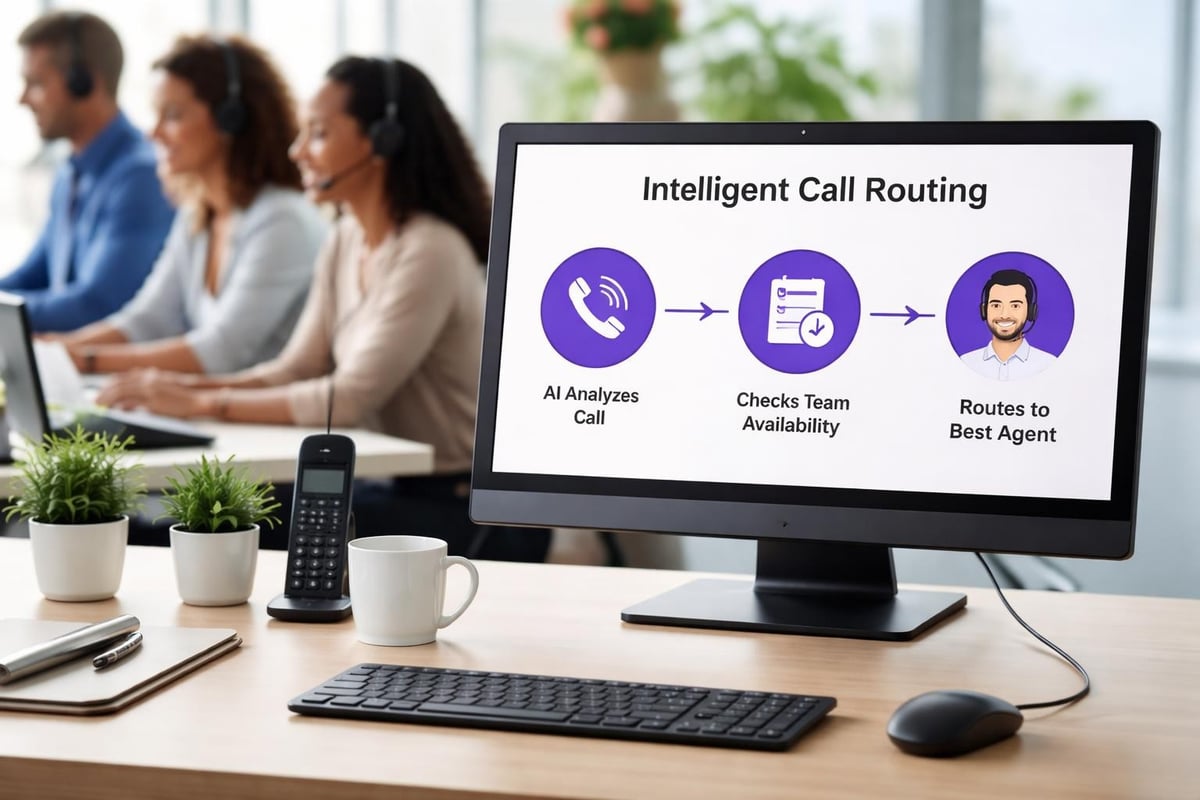
Common misconceptions about cloud telephony quality have been thoroughly debunked, as detailed in this analysis of cloud-based phone facts and fallacies. Modern systems deliver crystal-clear voice quality that often surpasses traditional lines, provided businesses maintain adequate internet bandwidth.
Integration Capabilities
The real power emerges when telephony connects with existing business tools. A cloud phone service integrates seamlessly with:
- Customer relationship management platforms
- Help desk and ticketing systems
- Team collaboration software
- Email and calendar applications
- Project management tools
These integrations eliminate data silos and repetitive manual entry. When a customer calls, their complete history appears instantly on your screen. Following the conversation, notes and actions automatically sync to your CRM. This connected workflow significantly improves productivity whilst ensuring nothing falls through communication gaps.
Implementation and Migration Strategies
Transitioning from traditional telephony needn't disrupt operations. Most businesses complete migration in 2-4 weeks, often running both systems temporarily to ensure smooth handover. The process of migrating to cloud telephony typically begins with auditing current usage patterns, identifying required features, and mapping existing extensions to cloud accounts.
Number porting allows businesses to retain existing telephone numbers, maintaining continuity for customers and marketing materials. Regulatory requirements in Ireland facilitate straightforward number transfers between providers, typically completing within 10 business days once paperwork is submitted.
Training and Adoption
User interfaces for cloud phone service platforms prioritise intuitive design, minimising training requirements. Most staff become proficient within hours rather than days. Web-based dashboards provide visibility into call queues, performance metrics, and system settings that previously required specialist knowledge to access.
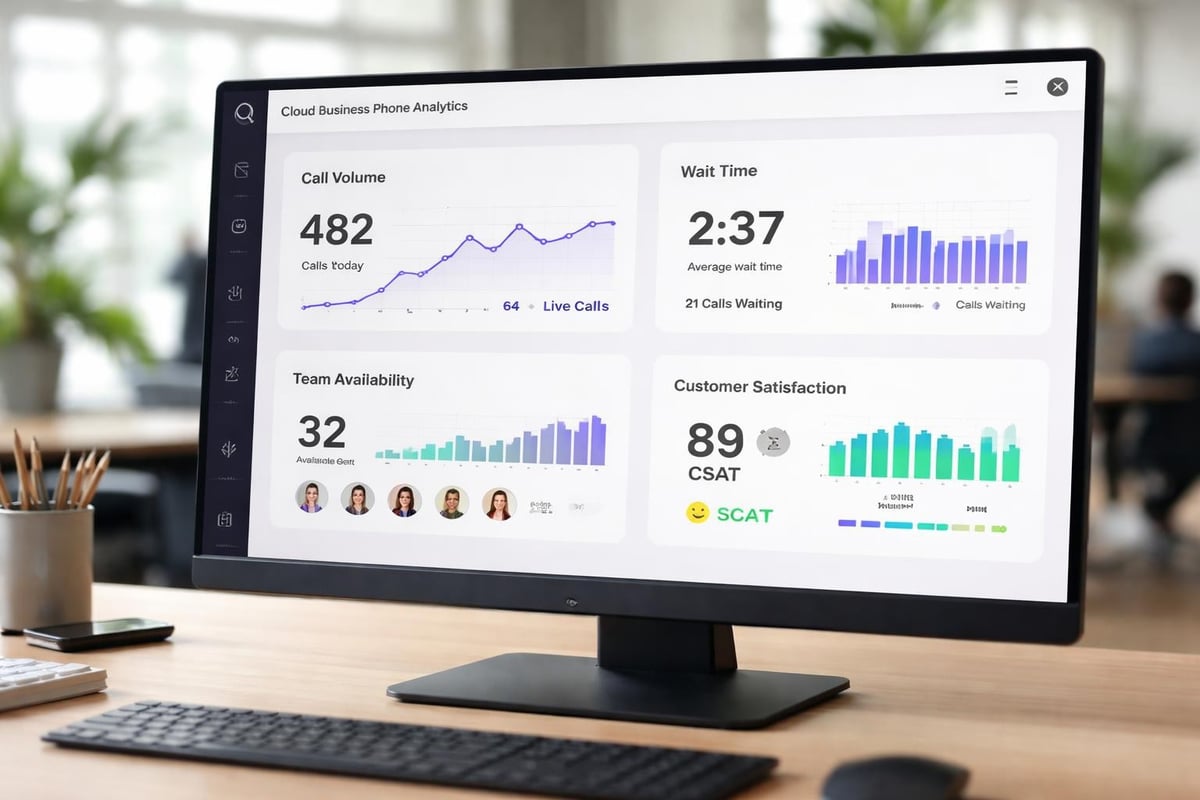
Administrative simplicity extends to ongoing management as well. Adding features, adjusting call flows, or modifying user permissions takes minutes through browser-based controls. This accessibility empowers business owners to optimise their telephony without depending on external consultants or lengthy support tickets.
Security and Reliability Considerations
Data security concerns naturally arise when moving critical business functions to the cloud. Reputable providers implement bank-level encryption for both call transmission and stored voicemail. Regular security audits, compliance certifications, and distributed denial-of-service protection ensure your communications remain private and available.
Key security measures include:
- End-to-end call encryption using TLS/SRTP protocols
- Multi-factor authentication for system access
- Role-based permissions limiting configuration changes
- Comprehensive audit logs tracking all activities
- Geographic data redundancy preventing information loss
Reliability metrics for quality cloud phone service providers typically guarantee 99.9% uptime, equivalent to less than nine hours of downtime annually. This exceeds what most businesses achieve with on-premises equipment subject to local power failures, hardware malfunctions, and natural disasters. The distributed nature of cloud infrastructure provides resilience that single-location systems cannot match.
Choosing the Right Solution for Irish Businesses
Selecting appropriate cloud telephony requires evaluating specific business needs against provider capabilities. Consider call volume patterns, required integrations, customer service expectations, and growth projections. Office phone service requirements vary significantly between a five-person consultancy and a fifty-person professional services firm.
Pricing structures differ substantially across providers, with options including per-user monthly fees, usage-based billing, or hybrid models. Calculate total cost of ownership including setup fees, premium features, international calling rates, and support charges. Transparent pricing without hidden costs indicates provider trustworthiness and simplifies budgeting.
Trial periods allow hands-on evaluation before commitment. Test call quality from various locations, explore the administrative interface, and verify integration functionality with your existing tools. Staff feedback during trials identifies usability issues and feature gaps that specifications alone might miss.
Cloud phone service represents the present and future of business communications, offering flexibility, advanced features, and cost efficiency that traditional systems cannot match. Irish SMBs adopting internet-based telephony gain competitive advantages through improved customer service, enhanced productivity, and operational agility. Dromlik Ireland provides modern business phone systems specifically designed for Irish small and medium-sized businesses, featuring AI-driven call handling, smart routing, and comprehensive integrations that transform how you connect with customers and manage communications.